Category: Recycling
-
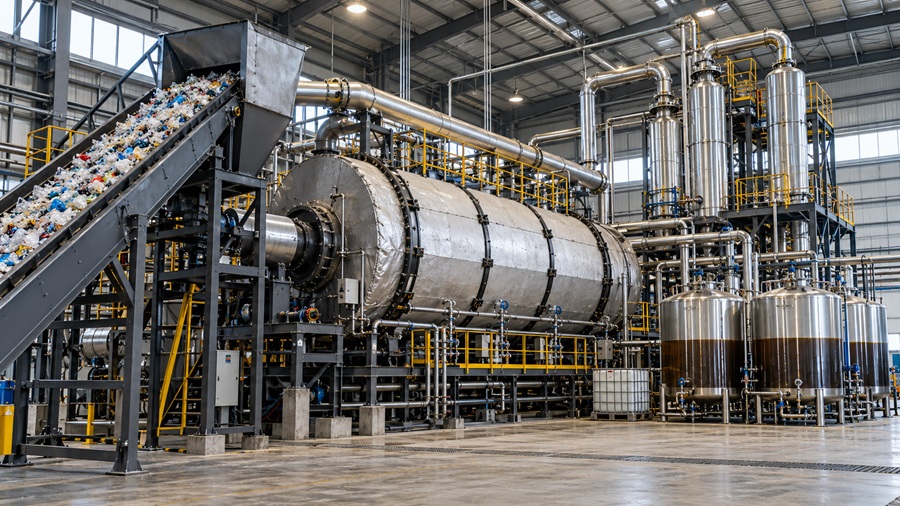
Plastic pyrolysis heats plastic waste in a sealed, oxygen-free reactor until the long polymer chains snap into smaller molecules. What comes out is oil, gas and a solid residue. With cleaning and upgrading, some of that oil can feed a petrochemical plant and end up in new plastic. The catch is in that last sentence.…
-
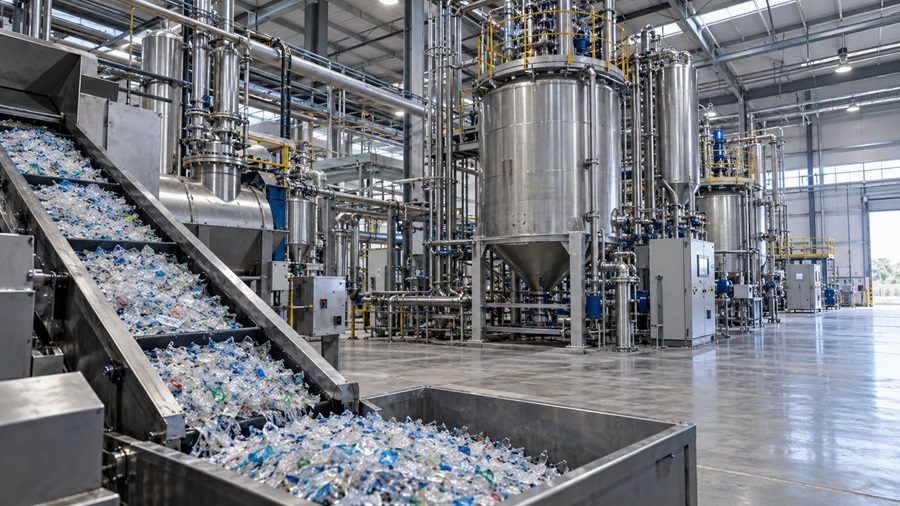
Advanced recycling is the industry’s name for processes that go beyond shredding and remelting. They use heat, solvents, chemistry or enzymes to recover something useful from plastic that ordinary recycling can’t handle. Some of it runs at industrial scale. Some is stuck waiting for financing. And a few plants that were meant to prove the…
-
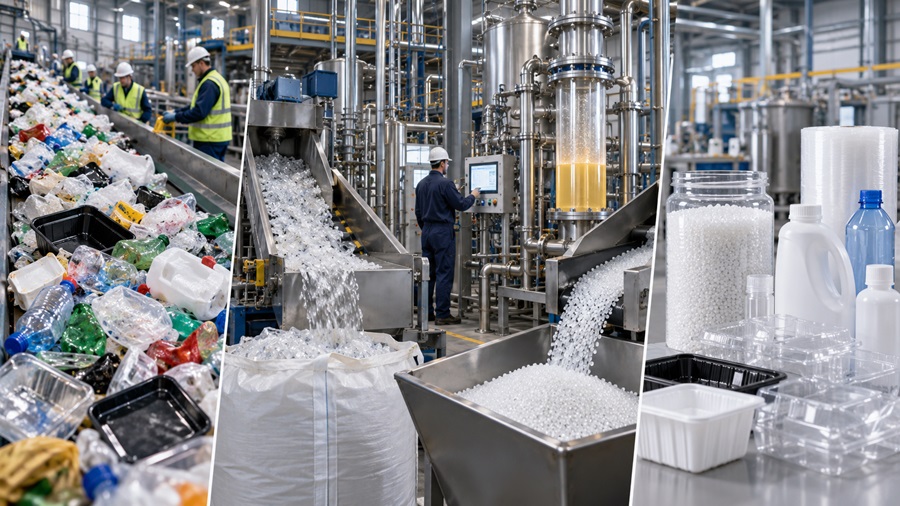
For years, chemical recycling has been stuck in a stalemate. The plastics industry calls it the answer for waste that ordinary recycling can’t touch. Critics call it a shell game — too much energy in, too much material lost, and a lot of “recycled” plastic that actually ends up as fuel. Both sides had a…
-
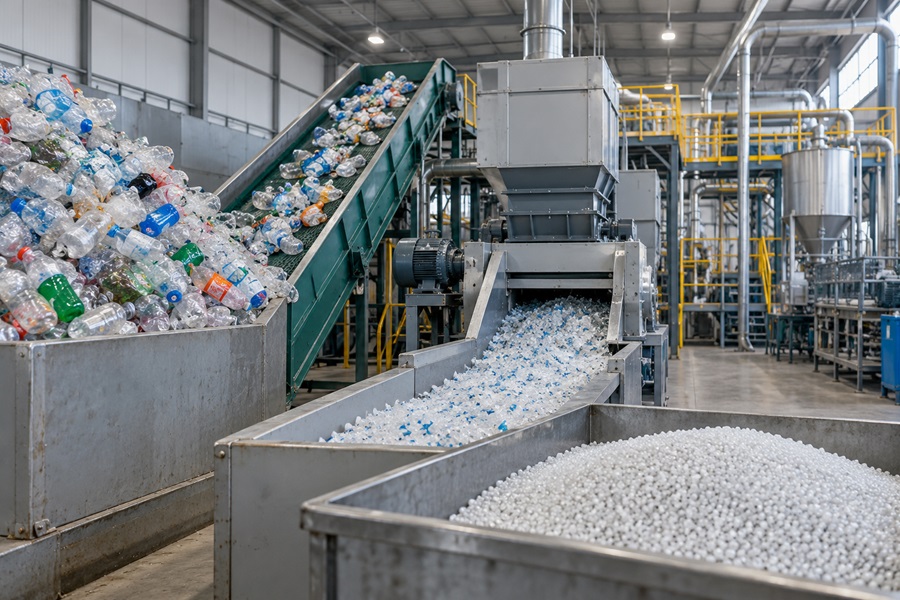
Mechanical recycling is how most recycled plastic is made today. Used plastic is collected, sorted, shredded, washed and melted into new raw material, without changing the plastic’s chemistry. Take an empty PET water bottle. It gets cleaned, chopped into flakes, melted and formed into pellets. A manufacturer then turns those pellets into a new bottle,…