-
Artificial intelligence, computer vision and robotics are changing some recycling operations. They can help identify materials, monitor quality and automate selected picking tasks. But they do not remove every contaminant, create markets for recovered material or guarantee that a facility will become profitable. The reality is more complicated. Yes, automation is improving sorting accuracy and…
-
MRF operators face a difficult combination of volatile commodity prices, operating costs, capital needs and changing input quality. Some facilities have closed, consolidated or changed contracts, but the scale and causes of closures vary by market. Avoid an unsupported continent-wide closure count. Understanding why requires looking at the numbers. Most people assume recycling facilities make…
-
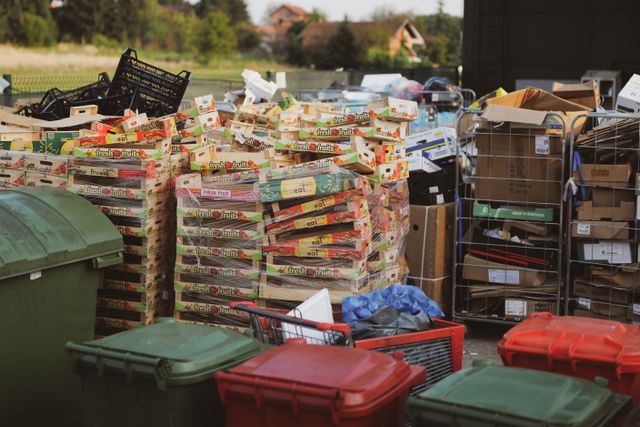
You’ve learned how MRFs work and why contamination breaks the system. But here’s the question nobody asks: what happens to the material that doesn’t get recycled? MRFs generate residue when material is too contaminated, too small, too mixed, unsuitable for the equipment or not marketable to a buyer. The amount varies widely with the incoming…
-
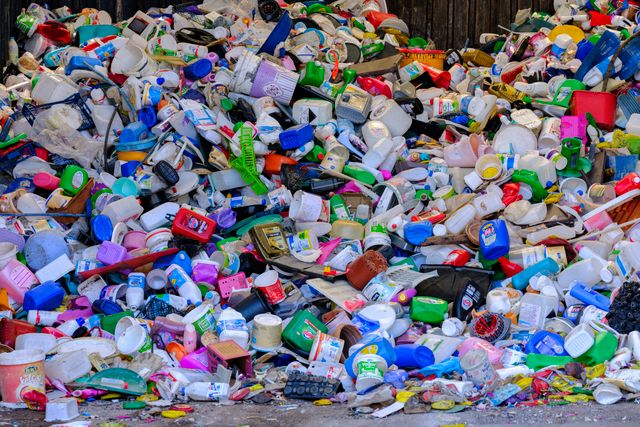
Recycling works best when the collection stream contains the materials a local program is designed to accept. Items that do not belong in the bin can damage equipment, lower the quality of recovered materials or create safety risks. Every time you put a plastic bag in your recycling bin, or rinse a yogurt container halfway…
-
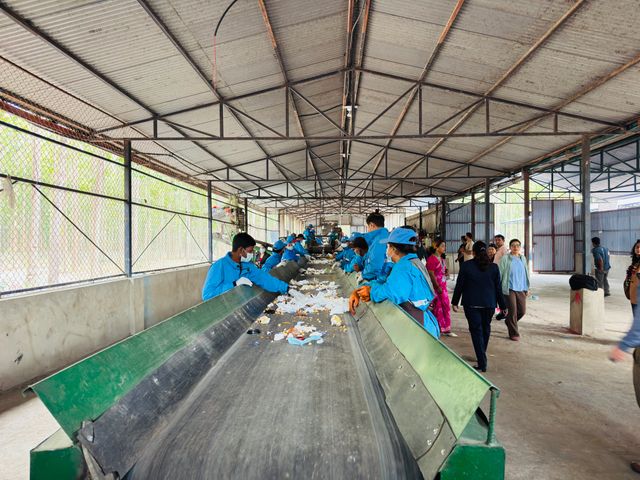
When you toss a plastic bottle into your recycling bin, it doesn’t magically transform into a new product. It travels through a complex system — and the starting point for that journey is a Material Recovery Facility, or MRF. If you’ve ever wondered what happens to your recyclables after collection day, you’re about to find…
-
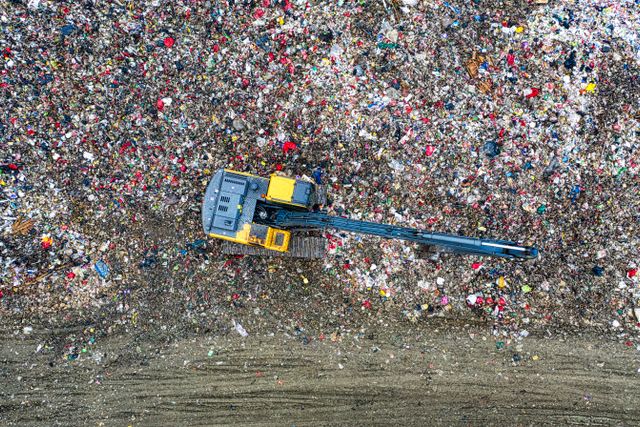
When plastic reaches a landfill, it gets compacted, buried, and covered. Here’s the reality: most plastics don’t biodegrade there. They stick around for decades or longer, and as they weaken, they break into smaller pieces—some so small they’re classified as microplastics. Modern engineered landfills use liners, leachate collection, and gas capture to limit pollution, but…
-
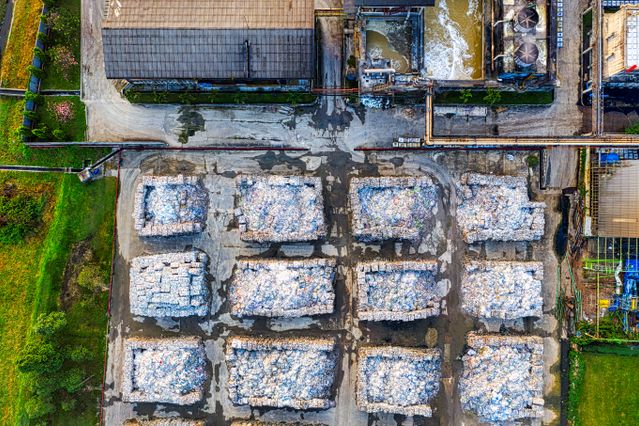
Waste-to-energy (WtE) turns waste into electricity, heat or fuel. For plastic, that mostly means burning it in a controlled plant to make steam, or heating it in low-oxygen systems (gasification, pyrolysis) to make gas and oil. It cuts the volume of waste going to landfill and squeezes value out of plastic that can’t realistically be…
-
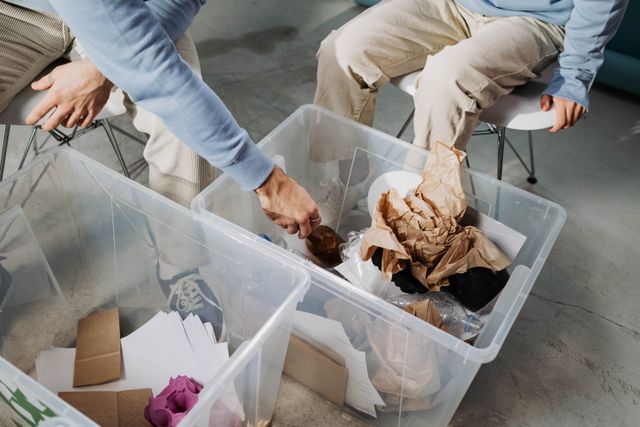
Paper feels like the greener choice. It comes from trees, it rots, and it doesn’t end up wrapped around a turtle. But when researchers actually measure the footprint of a paper bag against a plastic one, the answer gets uncomfortable fast. Here’s the short version, and then we’ll get into the details. Quick answer :…
-
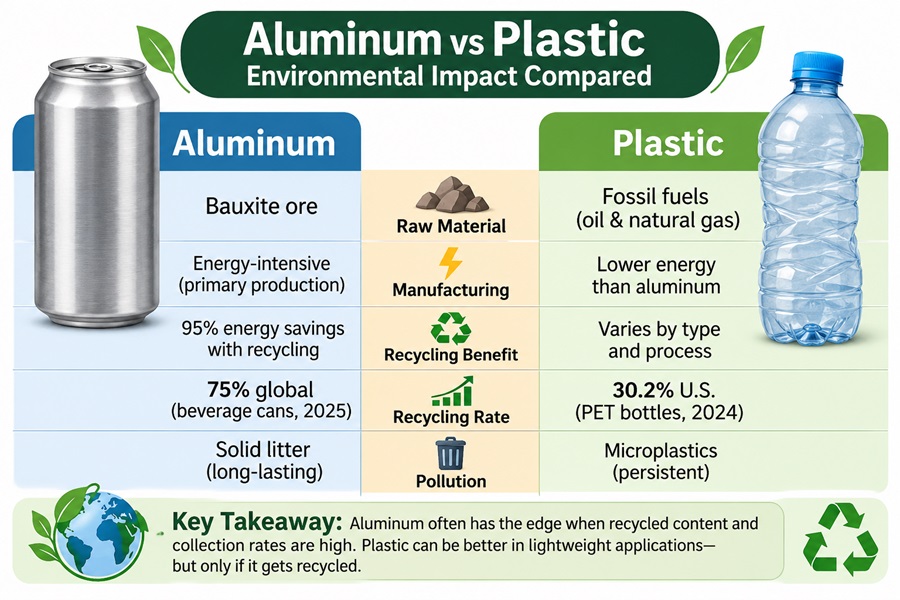
Picking between aluminum and plastic feels simple—aluminum looks recyclable, plastic feels like trash. But the real answer is messier and more interesting than the materials themselves. Global aluminum beverage can recycling hit 75% in 2025, far exceeding plastic’s 30.2% PET recycling rate. Yet primary aluminum production consumed 788 million metric tons of CO₂-equivalent last year,…
-
The term “bioplastics” is often used to describe several different materials, but it does not tell readers exactly what a plastic is made from or how it behaves after use. Bio-based, biodegradable, and compostable describe different properties. Understanding the distinction helps consumers, businesses, and policymakers assess environmental claims and choose the right end-of-life route. What…