-
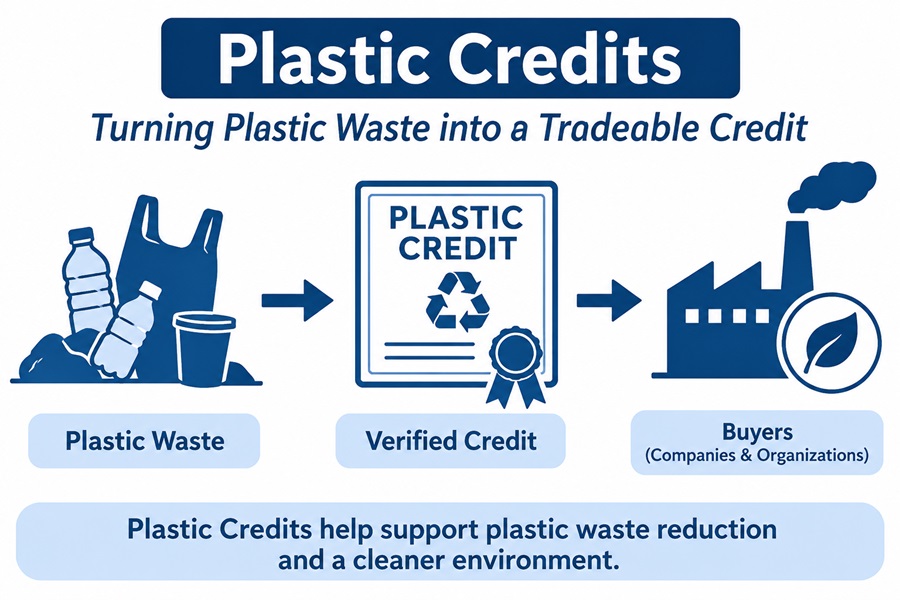
What are plastic credits? A plastic credit is a tradable certificate representing a measured, independently verified quantity of plastic waste — usually one tonne — that has been collected or recycled by a certified project, beyond what would have happened anyway. Buying a credit funds that activity. It does not mean the buyer’s own packaging…
-
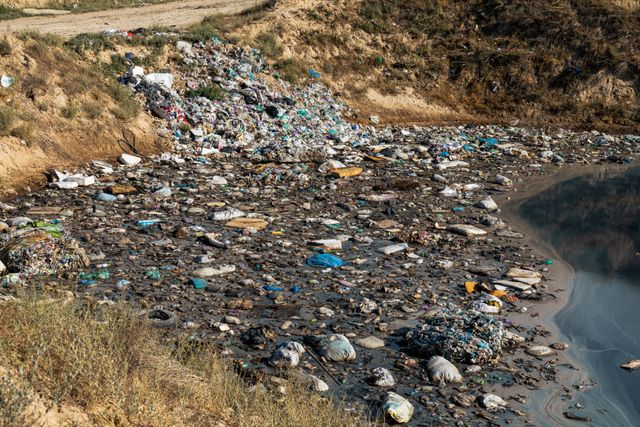
Plastic isn’t the enemy. It keeps food from spoiling, helps protect sterile medical equipment, and makes cars, planes and shipping crates lighter. That usefulness is exactly why the plastic crisis is so difficult to solve. We are not trying to remove a material with no benefits from daily life. We are trying to change an…
-
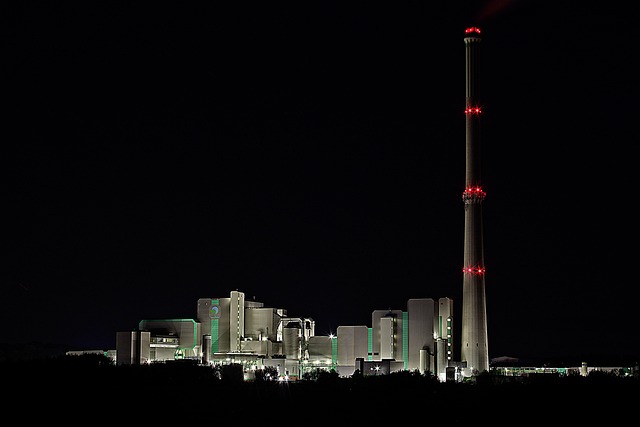
Incineration burns waste at high heat to shrink its volume, and many modern plants capture that heat to make electricity. About a fifth of what goes in comes back out as ash, and you still need serious pollution controls to make it safe. Bottom line — incineration shrinks a waste problem. It doesn’t make it…
-
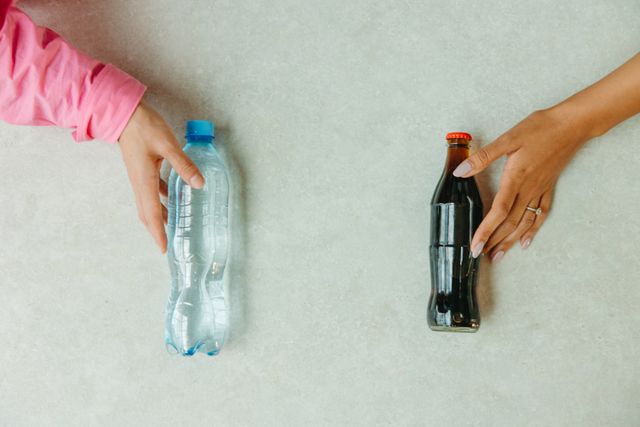
Glass vs plastic seems like an easy choice when you are holding a sturdy jar in one hand and a disposable bottle in the other. Glass feels built to last. Plastic feels easy to throw away. But those impressions tell you little about the energy used to make either container or what happens after you…
-
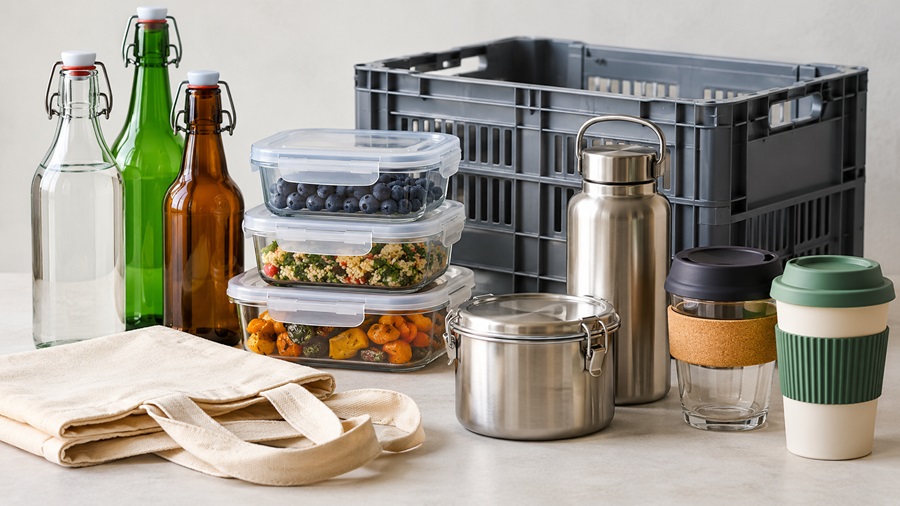
A reusable container that gets used twice is worse than a disposable one. One that gets used a hundred times is hard to beat. Almost everything worth knowing about reusable packaging sits in the gap between those two sentences. This guide covers how reuse systems work, which materials suit which jobs, how to tell whether…
-
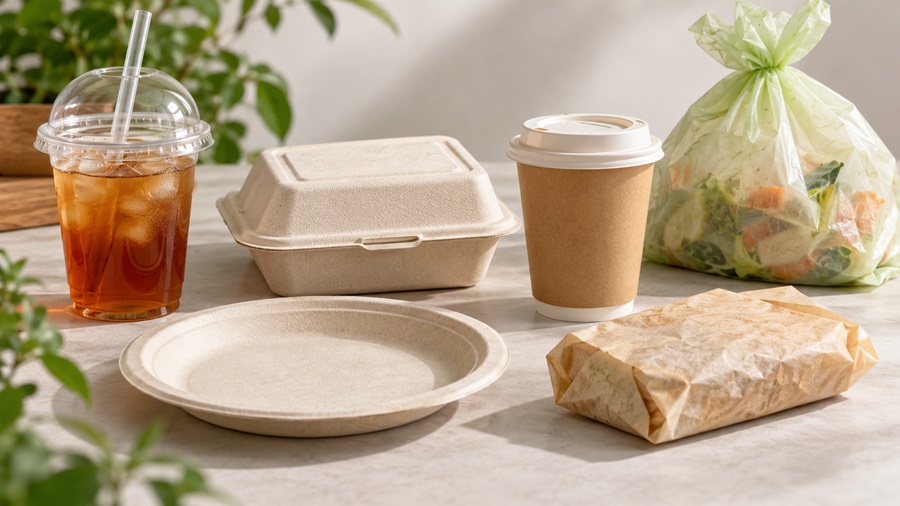
A takeaway box stamped “compostable” feels like a clean ending: eat, toss, done. Whether that’s true depends on three things most labels don’t tell you: what the box is actually made of, what’s been added to it, and whether anyone nearby will compost it. This guide is the practical side of the topic. If you…
-
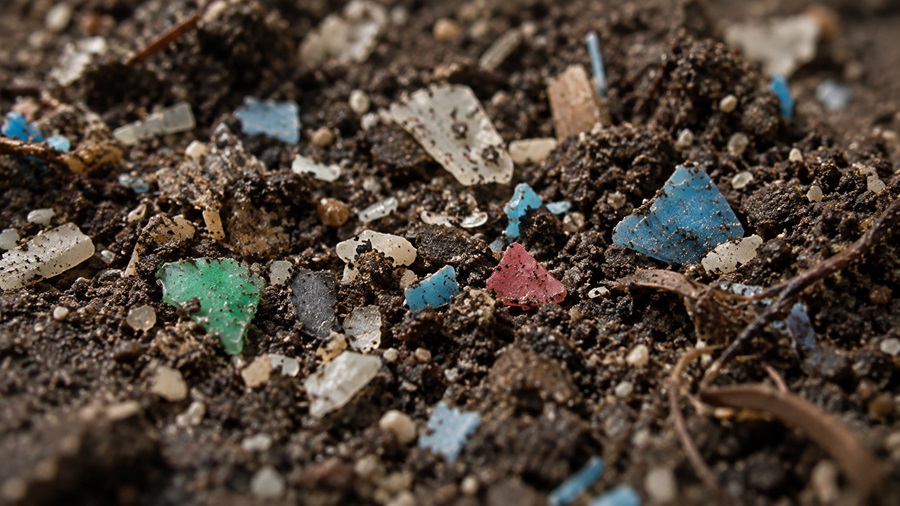
Oxo-degradable plastic is ordinary plastic — usually polyethylene or polypropylene — with an additive blended in that speeds up oxidation, causing the material to become brittle and fragment faster than it otherwise would. It is not a new or inherently “green” polymer. It’s conventional plastic engineered to fall apart sooner, on the assumption that microorganisms…
-
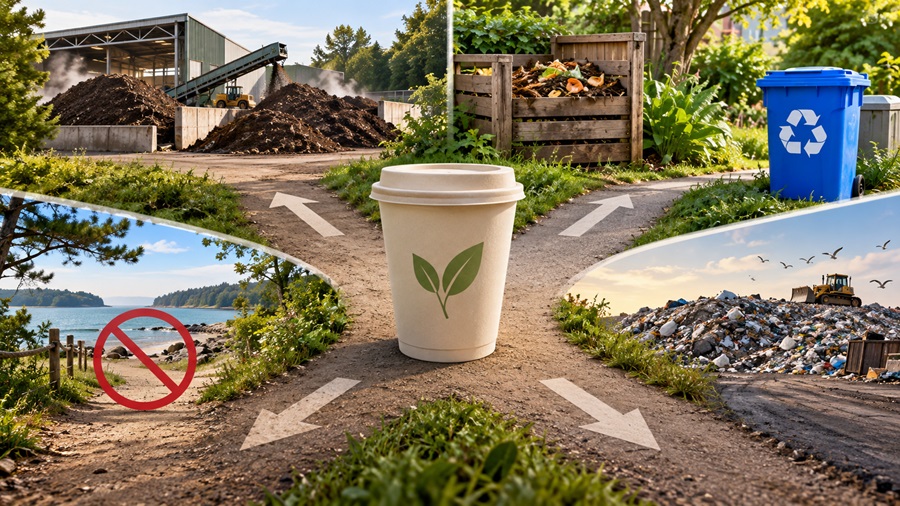
That fork stamped “compostable” feels like a free pass. Use it once, toss it in with your food scraps, and let nature handle the rest. It’s not that simple. Compostable plastics are engineered to break down — but only under specific composting conditions. The label doesn’t mean the product will vanish in soil, in the…
-
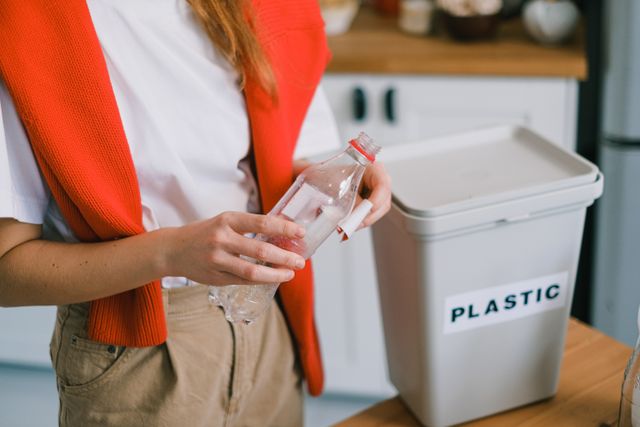
Picture three items landing in the same recycling bin: a water bottle, a milk jug and a yogurt tub. They all look like everyday packaging waste. But once they leave your hands, their journeys can look very different. The water bottle is almost always PET (#1). The milk jug is HDPE (#2). The yogurt tub…
-
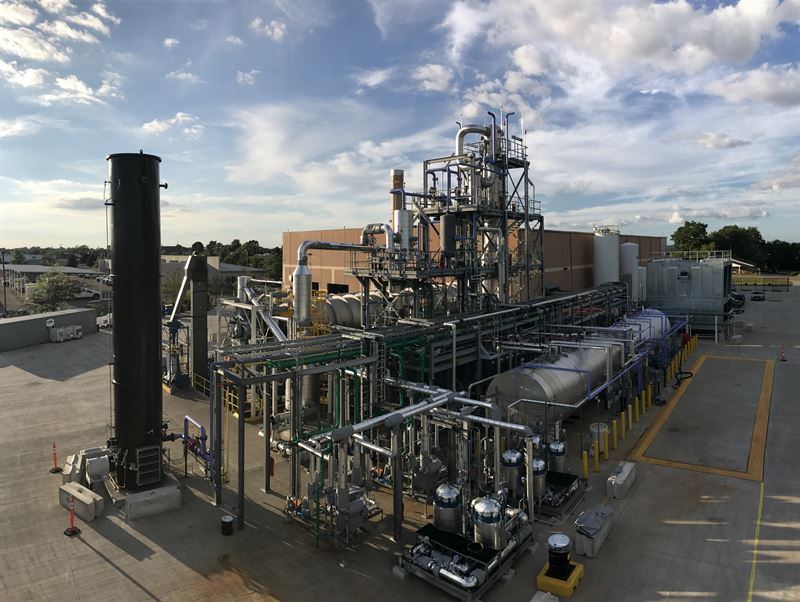
Here’s the pitch for turning plastic waste into fuel: take a waste stream nobody knows what to do with, heat it up, pull out the hydrocarbons, and burn those instead of drilling for more oil. Sounds like a win. But there’s one detail that changes everything: Plastic-to-Fuel (PTF) is not recycling plastic back into plastic.…