Category: Plastic Pollution & Health
-
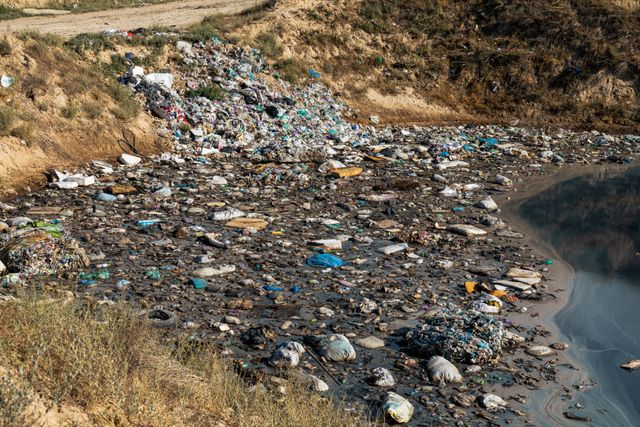
Plastic isn’t the enemy. It keeps food from spoiling, helps protect sterile medical equipment, and makes cars, planes and shipping crates lighter. That usefulness is exactly why the plastic crisis is so difficult to solve. We are not trying to remove a material with no benefits from daily life. We are trying to change an…
-
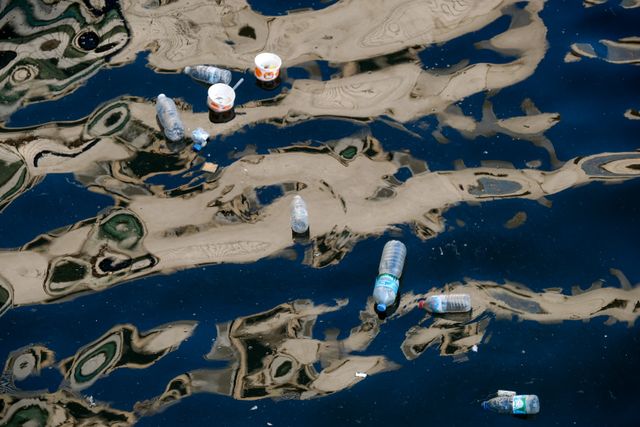
The world makes more than 430 million tonnes of plastic a year, actually recycles about 9% of its plastic waste, and still loses millions of tonnes to the environment. The longer version is where it gets confusing, because “plastic production,” “plastic waste,” “mismanaged waste” and “plastic pollution” are four different measurements, and reputable sources report…
-
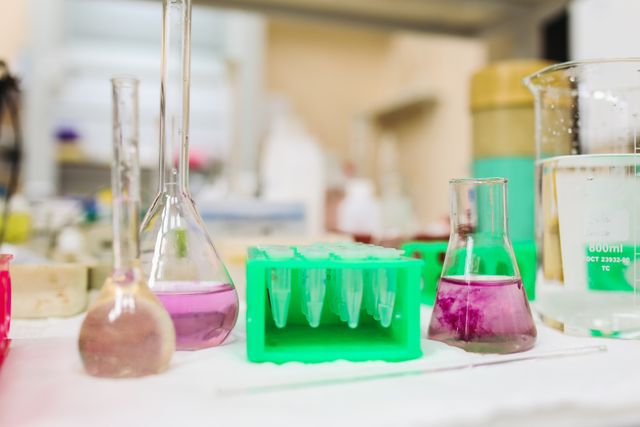
Plastic is rarely just plastic. Behind a water bottle, a cable or a food container there’s usually a recipe: a base polymer plus additives that make it flexible, tough, colorful or fire-resistant. Many of those ingredients are fine under normal use. A few carry real health concerns. And the label almost never tells you which…
-
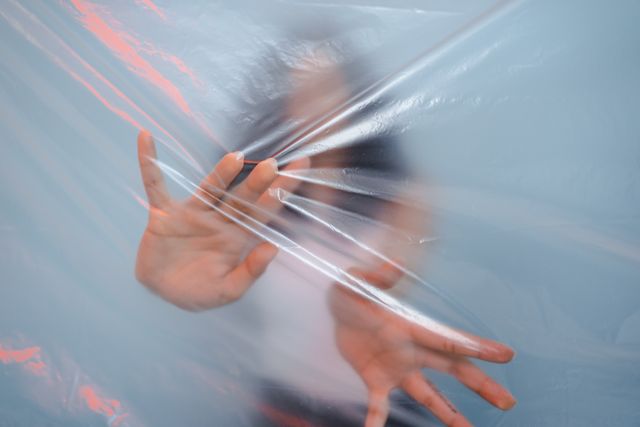
Key takeaways Chemicals have the stronger evidence. Some plastic-associated chemicals (certain bisphenols, phthalates, flame retardants, vinyl chloride) have documented hazards. Microplastics are real, but their health impact is unproven. Particles are found in food, water, air and human tissue. Evidence of harm is mostly experimental or associational. Heat, damage and reuse raise exposure. Use containers…
-
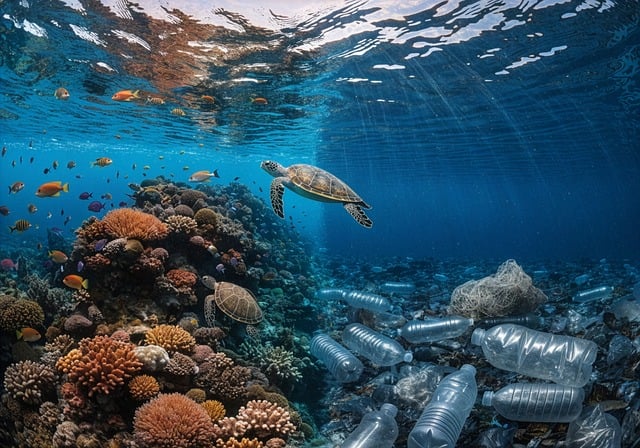
Plastic bottles showing up on beaches are just the tip of the iceberg when it comes to ocean plastic pollution. There’s heaps more of the stuff lurking out of sight – like those abandoned fishing nets down at the bottom of the sea, or tiny plastic shreds in seawater. And then there’s the waste that…
-
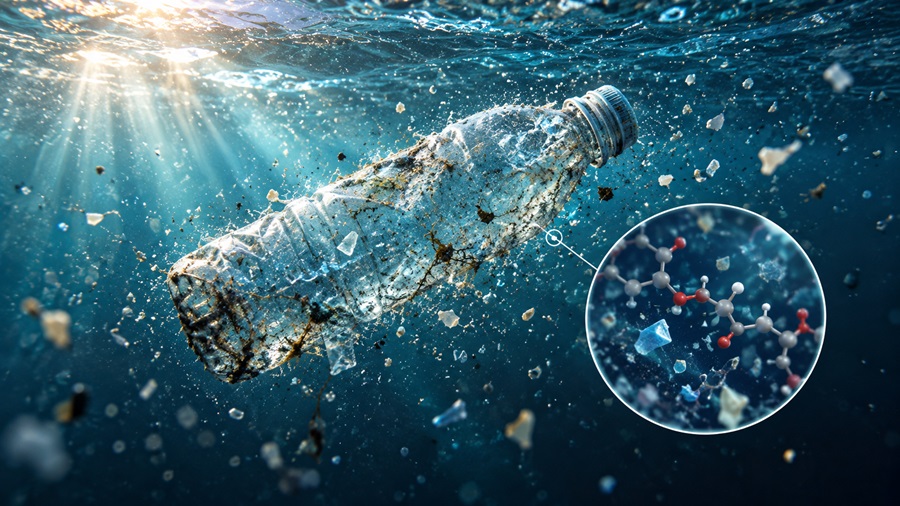
Nanoplastics are tiny bits of plastic. Many sources define them as less than 1 micrometre (µm), but there is no one size rule. Sun, wear, and weather can break big plastic into smaller bits. We know people and wildlife may meet these bits. But we do not yet know the health risk from daily exposure.…
-
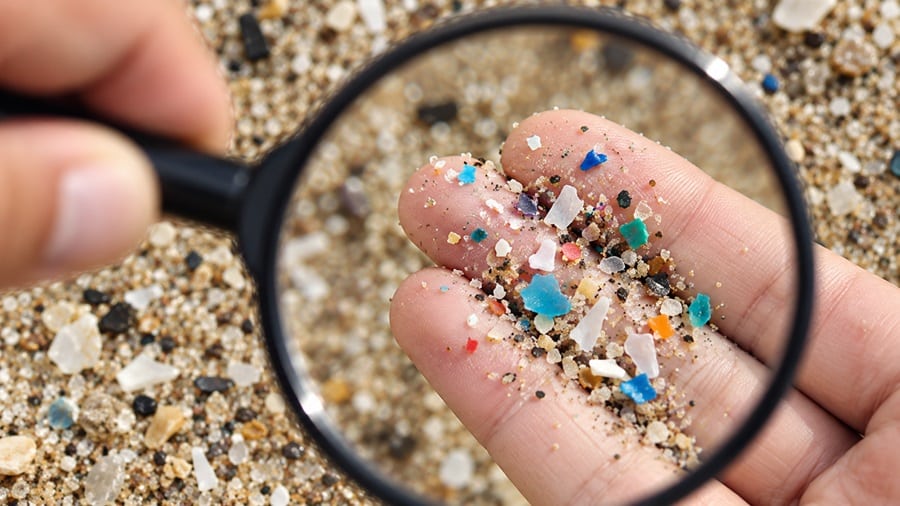
Plastic pollution does not disappear when a bottle, bag or piece of packaging breaks apart. In many cases, it simply becomes harder to see. That is where microplastics come in. These tiny plastic particles have now been found in oceans, rivers, sediments, soil, air, drinking water, food and human biological samples. Some begin life at…